
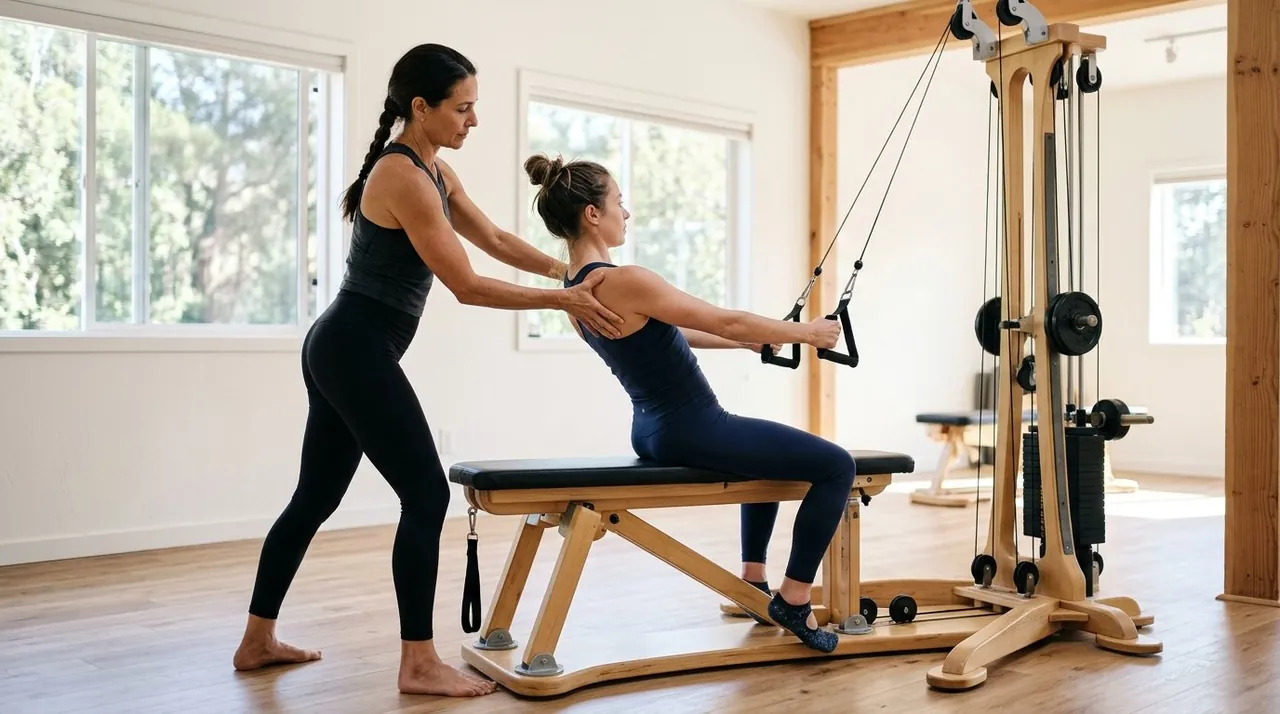
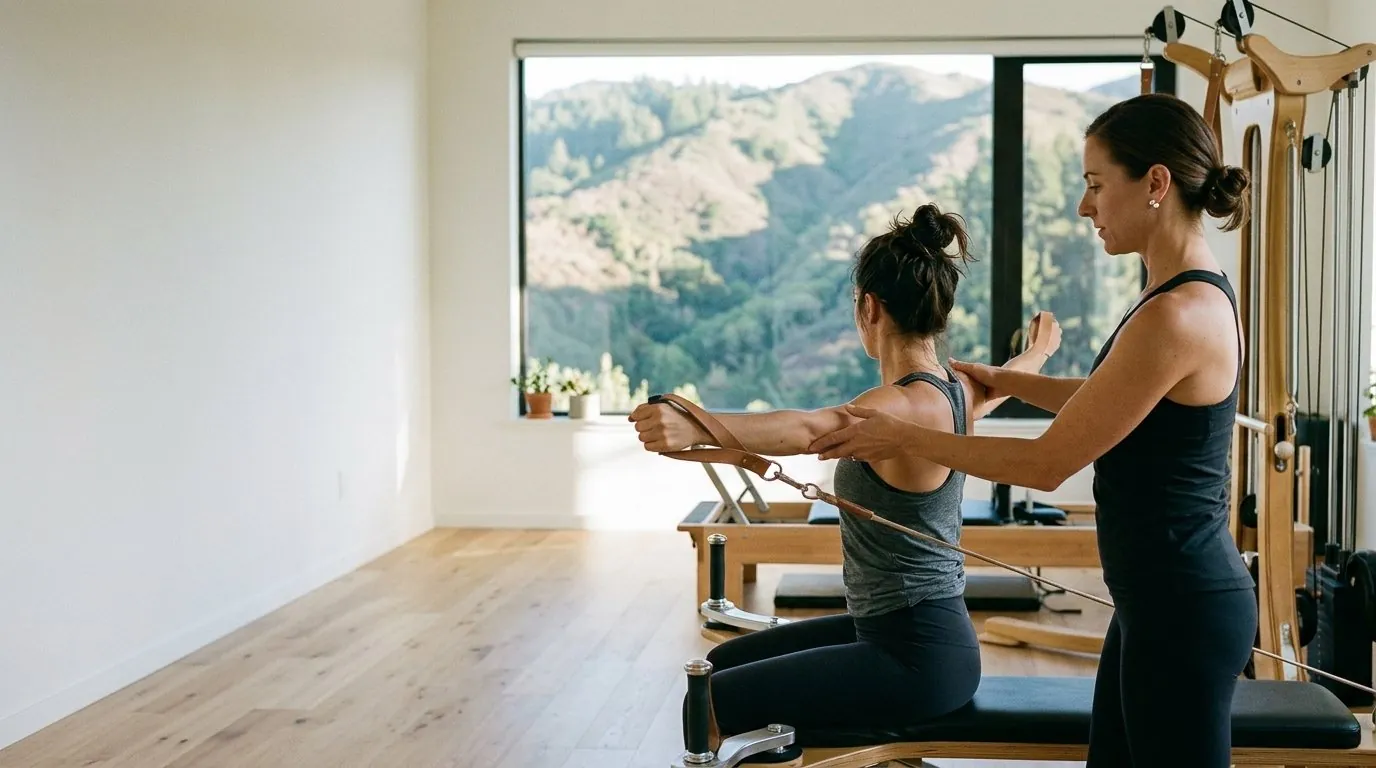
Gyrotonic spinal decompression eases desk-job stiffness and back pain naturally. Discover this Aptos studio's approach to spiraling, joint-friendly movement.
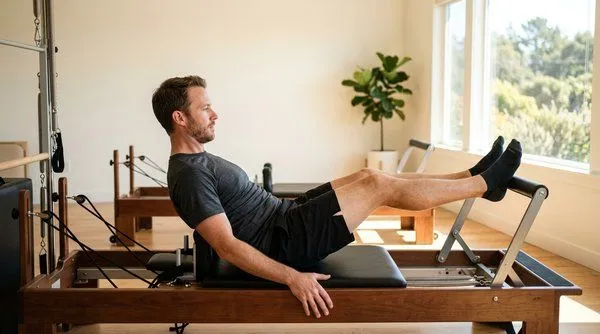
Discover why Pilates Reformer for men is transforming athletic training in Aptos, CA. Build core strength, prevent injury, and move better in 2026.
Frequently Asked Questions
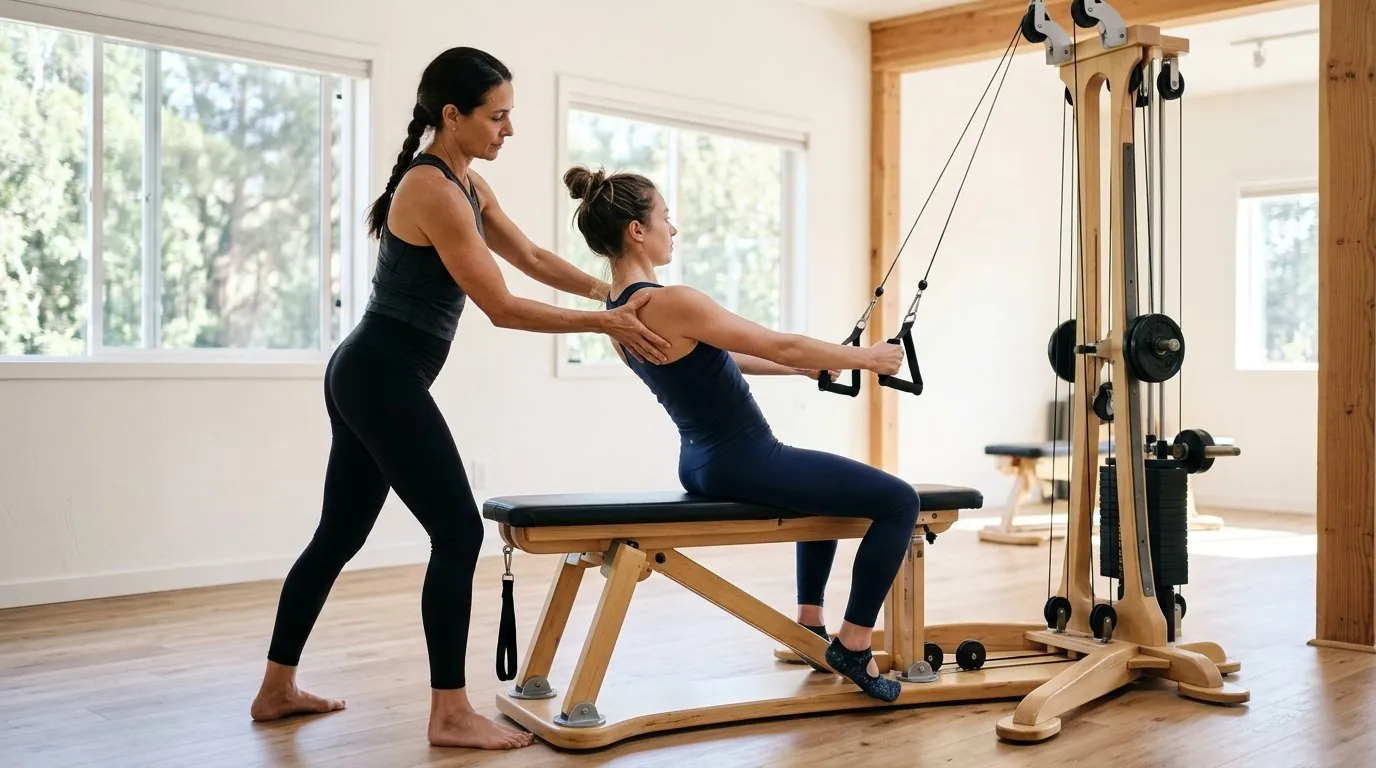
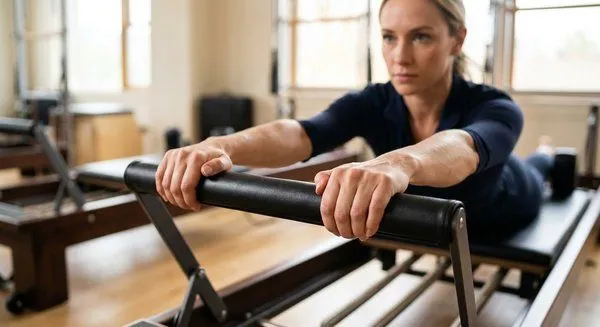
Discover how Gyrotonic training for back pain and Pilates at Joy of Movement in Aptos, CA can restore mobility, decompress the spine, and help you stay active!
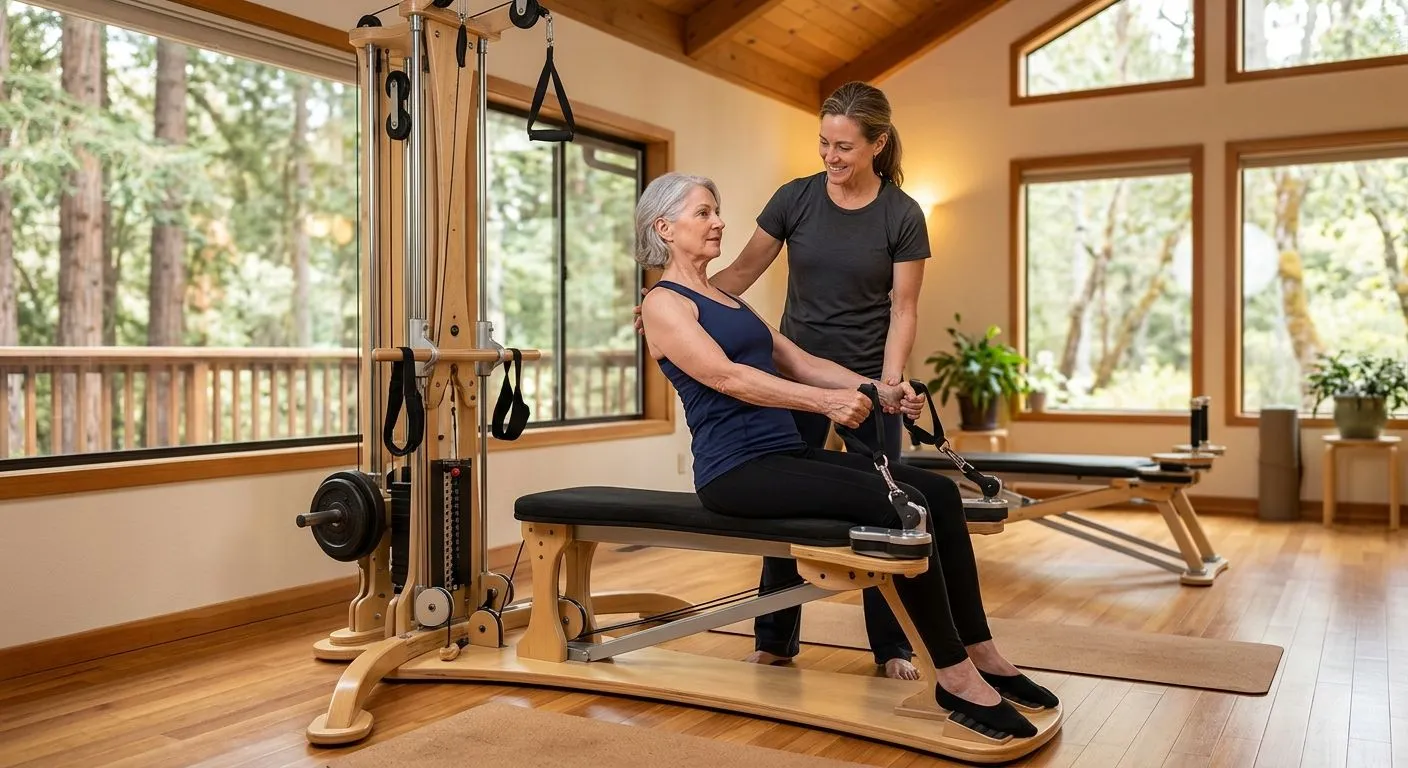
Discover how Gyrotonic Pilates improves strength, flexibility, posture, and mobility. Join Joy of Movement for expert Pilates and Gyrotonic® sessions!
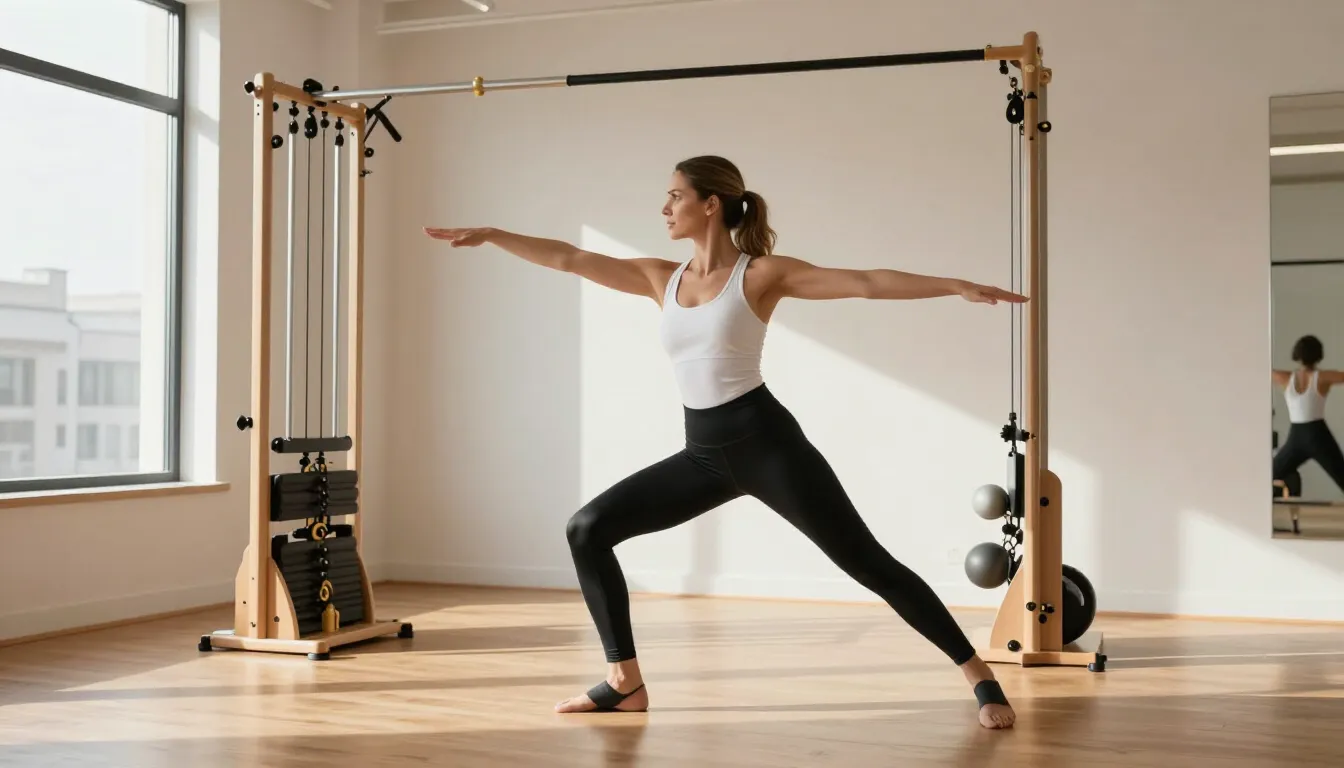
Restore strength at Joy of Movement Pilates and Gyrotonic Studio. Join our reformer Pilates classes in Aptos, CA, to improve posture, mobility, and core stability.
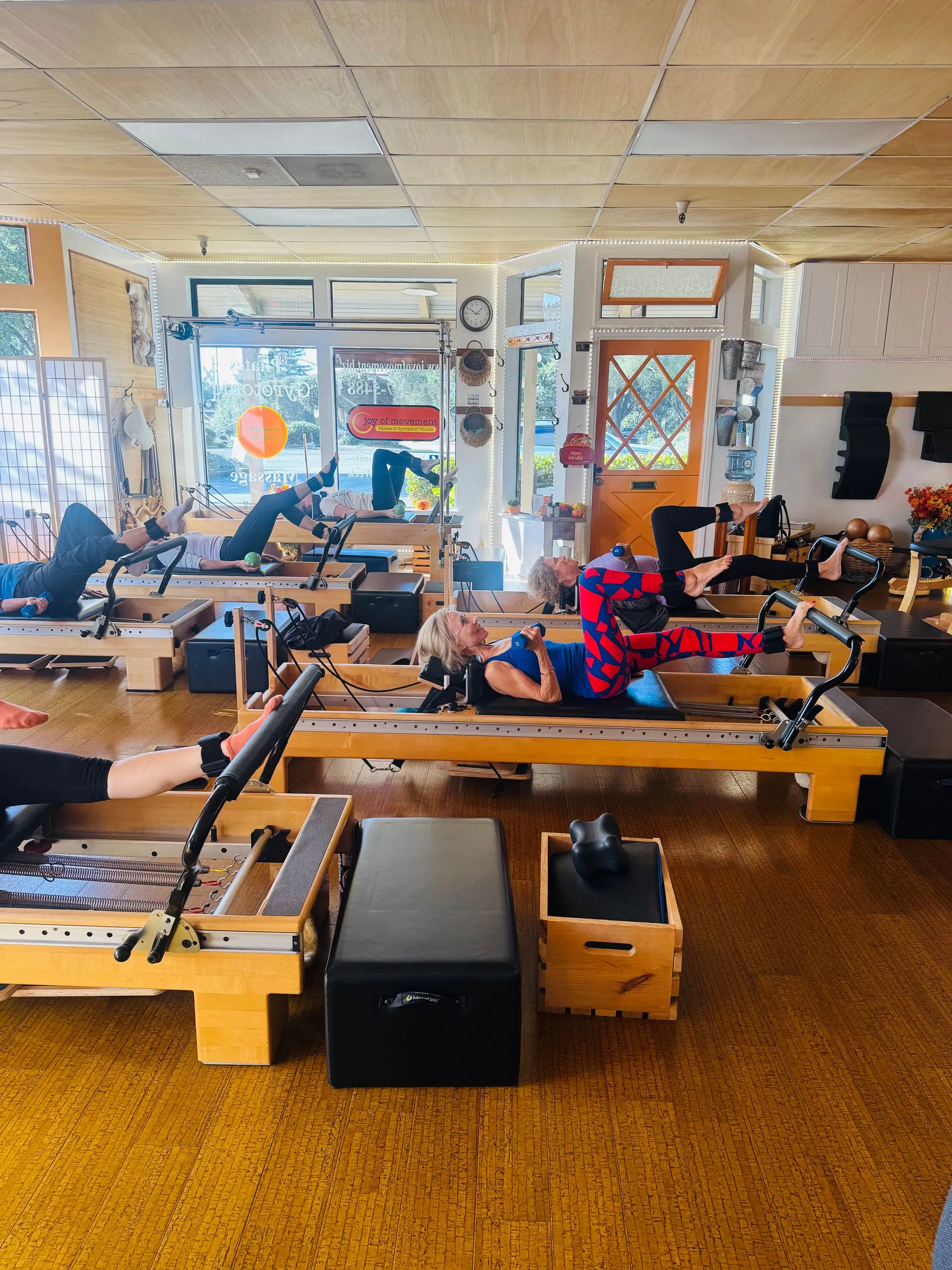
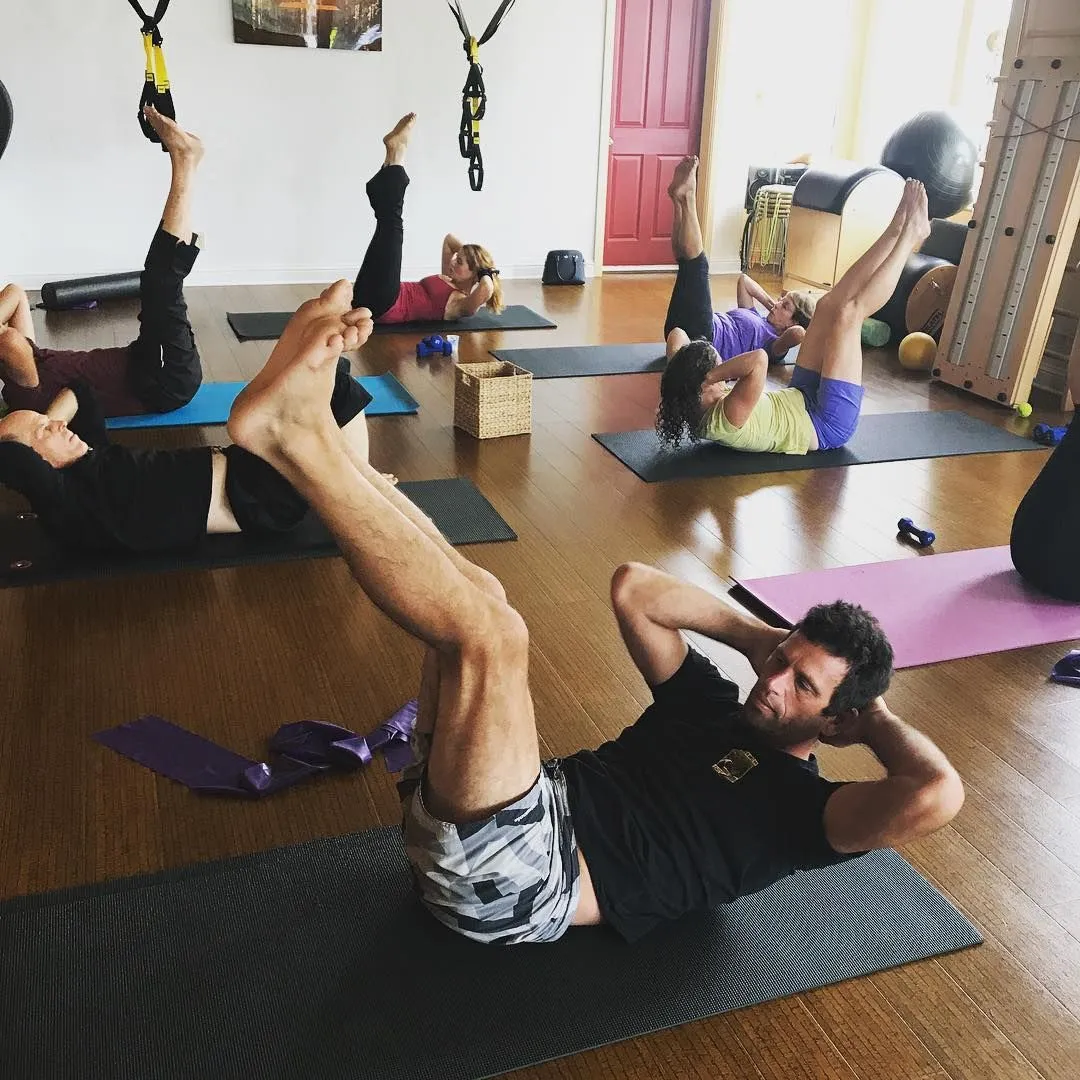
Discover Gyrotonic® in Aptos, CA with Joy of Movement Pilates and Gyrotonic® Studio. Learn how smarter movement improves strength, flexibility, and balance.
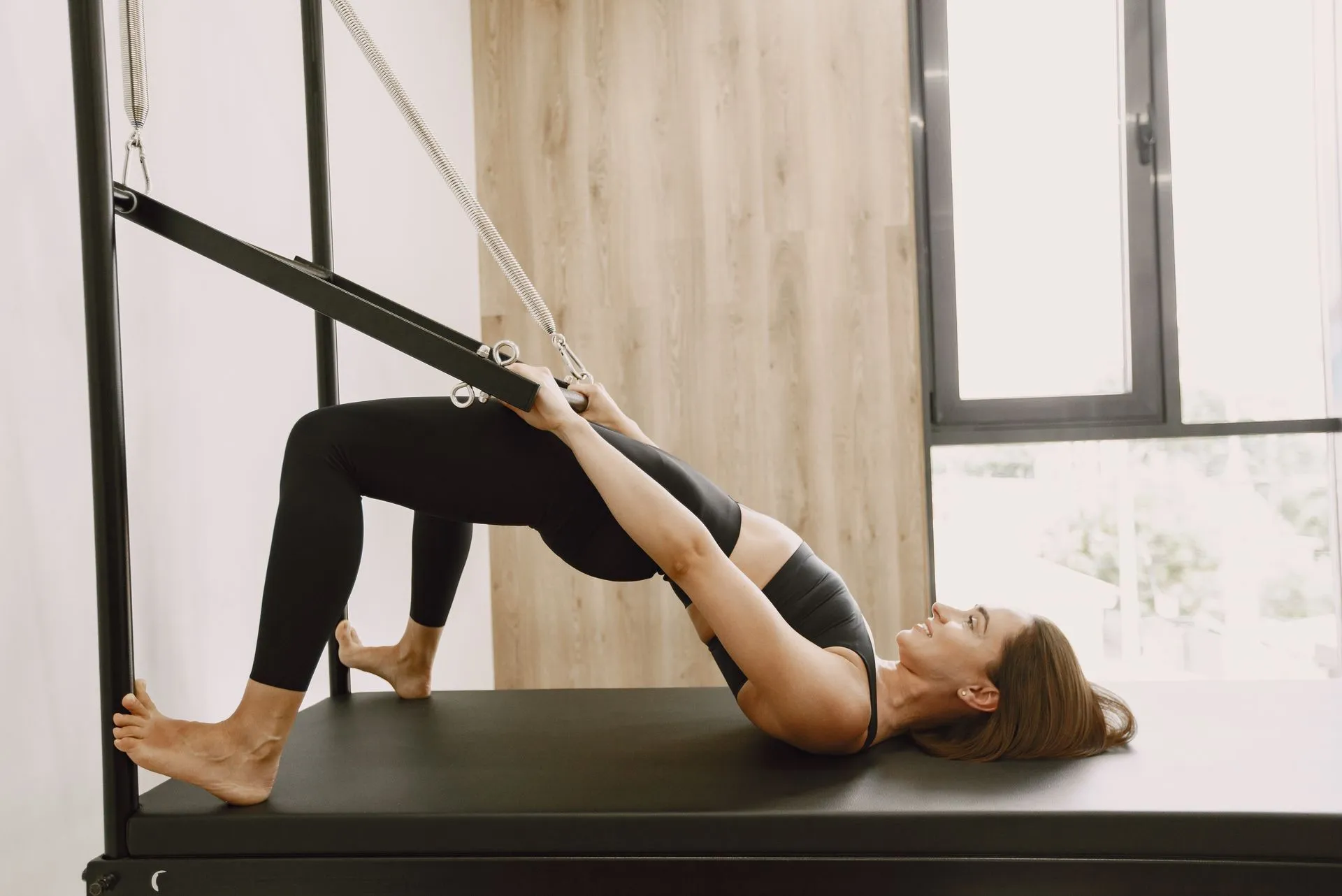
Discover essential Pilates Reformer exercises for core strength in Aptos, CA. Learn benefits of Reformer Pilates at Joy of Movement Studio for all levels today.
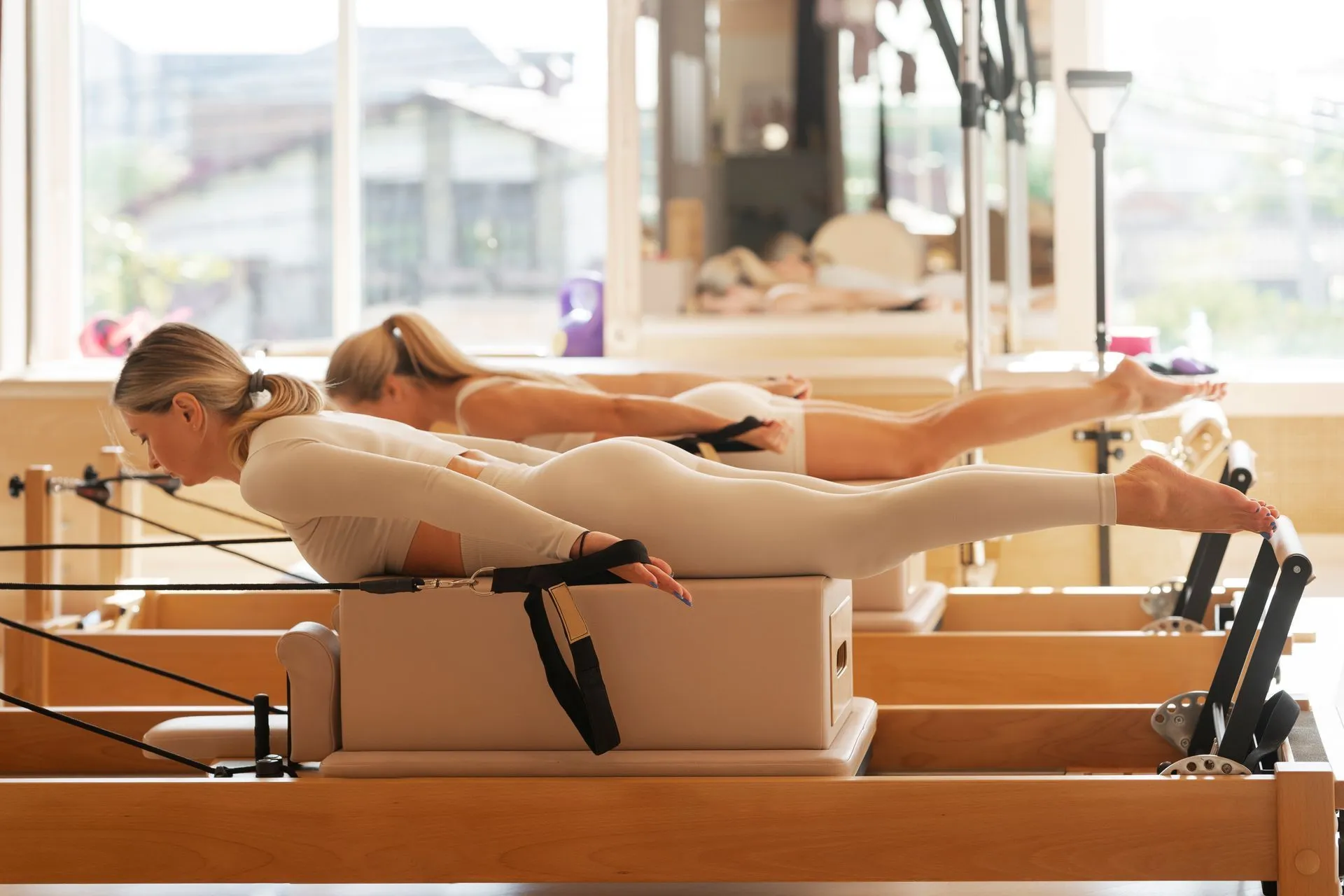
Discover the benefits of taking a Gyrotonic class in Aptos, CA. Improve strength, flexibility, posture, and mobility with expert instruction and care.
Gyrotonic spinal decompression eases desk-job stiffness and back pain naturally. Discover this Aptos studio's approach to spiraling, joint-friendly movement.
Discover why Pilates Reformer for men is transforming athletic training in Aptos, CA. Build core strength, prevent injury, and move better in 2026.
Frequently Asked Questions
Discover how Gyrotonic training for back pain and Pilates at Joy of Movement in Aptos, CA can restore mobility, decompress the spine, and help you stay active!
Discover how Gyrotonic Pilates improves strength, flexibility, posture, and mobility. Join Joy of Movement for expert Pilates and Gyrotonic® sessions!
Restore strength at Joy of Movement Pilates and Gyrotonic Studio. Join our reformer Pilates classes in Aptos, CA, to improve posture, mobility, and core stability.
Discover Gyrotonic® in Aptos, CA with Joy of Movement Pilates and Gyrotonic® Studio. Learn how smarter movement improves strength, flexibility, and balance.
Discover essential Pilates Reformer exercises for core strength in Aptos, CA. Learn benefits of Reformer Pilates at Joy of Movement Studio for all levels today.
Discover the benefits of taking a Gyrotonic class in Aptos, CA. Improve strength, flexibility, posture, and mobility with expert instruction and care.